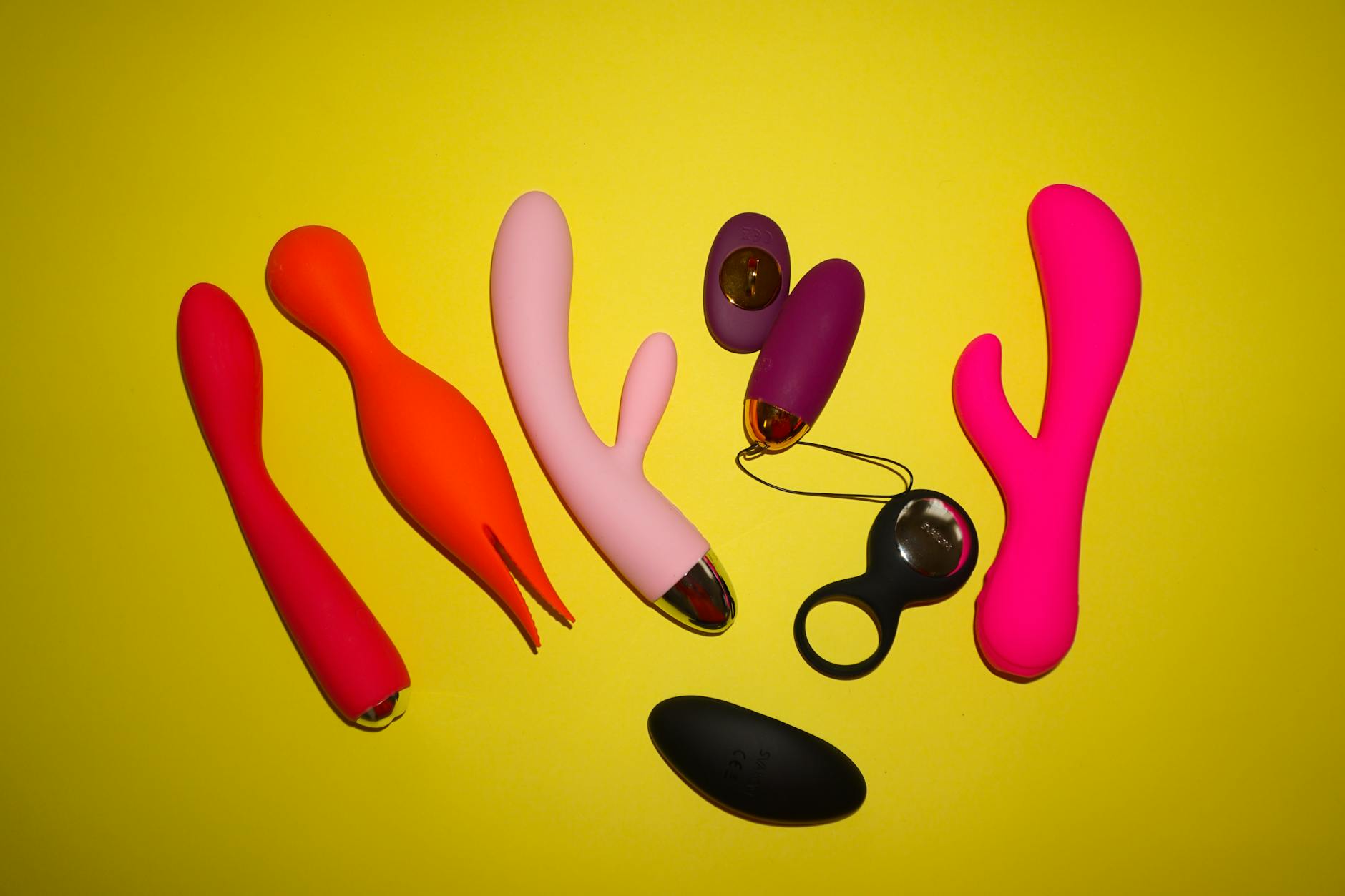
How Lemon Vibrators Work Better When Coming Off Hormonal Contraception
Birth control didn't just prevent pregnancy. It muted your desire, flattened your sensation, and changed how your body responds to touch. Here's what happens when you stop, and why lemon clitoral vibrators are unexpectedly perfect for rebuilding pleasure.
Hormonal contraception is remarkable medical technology. It's also a very effective mute button on your sexuality. Most people who take hormonal birth control know they might experience some desire changes. What catches them off guard is the texture of those changes. The pill doesn't just lower libido a little. It can numb clitoral sensation, flatten orgasms, dry things out, and make arousal feel like watching someone else's pleasure from behind glass.
And then you stop taking it. And your body wakes up.
What surprises people most is that this wake-up period isn't instant. Your nervous system doesn't flip a switch. It resets itself gradually, and that reset window is exactly when lemon vibrators become genuinely useful for rediscovering what hormonal contraception took from you.
Hormonal contraception works by suppressing ovulation, which means suppressing the hormonal cycle that drives desire, arousal, and physical response. We're not talking about a small dip. We're talking about baseline changes to blood flow, tissue hydration, nerve sensitivity, and literally how your brain responds to touch.
Here's the cascade that happens while you're on hormonal contraception.
Progesterone and estrogen suppress testosterone. If you have a vulva, testosterone is a primary driver of clitoral sensitivity and spontaneous desire. Lower testosterone means lower sensation threshold and less of that spontaneous "I want to" feeling that just arrives without you thinking about it.
Without the cycle, your clitoris gets less blood flow. Less blood flow means less engorgement, less sensitivity, and longer arousal build times. You're not broken. Your body is just running on a different neurochemical setting.
The vaginal tissue itself changes. Hormonal birth control can thin the vaginal wall and reduce natural lubrication. This isn't a problem for contraception, but it absolutely changes the sensation of touch. What used to feel electric now feels muted.
Your brain chemistry shifts too. Hormonal contraception can affect dopamine and serotonin, neurotransmitters tied to pleasure and desire. Some people experience genuine mood changes, anxiety, or depression on the pill. Others just feel emotionally flattened. It's not "all in your head." It's literally in your head.
This is where it gets interesting. When you stop hormonal contraception, your ovaries start producing testosterone, estrogen, and progesterone again. But it's not a linear climb back to baseline.
In the first 1-3 months, many people report that sensation feels almost overwhelming. Colors seem brighter. Touch feels more intense. Orgasms might feel stronger, or sometimes oddly different because your nervous system is recalibrating to a new level of input.
Your clitoris becomes more sensitive. This is great and also mildly strange. If you try a standard vibrator in week two of stopping the pill, you might find it unbearably intense compared to how it felt on hormonal contraception. This is why lemon clitoral vibrators work particularly well in this phase.
A lemon vibrator delivers suction-based stimulation rather than vibration. Suction feels different neurologically. It's less of a shock to a freshly resensitized clitoris. It's easier to modulate. You can start at a lower suction level and build, rather than adapting to full-force vibration right away.
The Lem by The Lemon Lem uses gentle pulsing suction that mimics oral sex. When your clitoris is becoming sensitive again after months or years of hormonal suppression, that gentleness matters.
With a standard vibrator, you're relying on the clitoris to accommodate whatever frequency and intensity the toy delivers. If your nerve endings are newly awake and reactive, standard vibration can feel jarring or even painful.
Suction works differently. It draws the clitoral tissue gently into the opening of the device, then releases and repeats. The stimulation is spread across a slightly larger area rather than concentrated on a single point. For someone whose clitoris is hypersensitive from recently stopping hormonal contraception, this is the difference between pleasure and flinching.
Many lemon clitoral vibrators also have multiple intensity levels. You can start at level one, which is genuinely gentle, and work your way up over multiple sessions. This lets your nervous system adjust gradually to increasing sensation rather than forcing adaptation all at once.
Hormone levels stabilize over 2-4 months after stopping hormonal contraception. This doesn't mean you go from muted to normal. Many people report that their baseline sensitivity and desire continue to increase for 6 months or longer.
This is the rebuilding window. It's when regular use of a lemon vibrator becomes most valuable.
Start with the lowest setting, 2-3 times per week. You're not chasing orgasm here. You're reconnecting with sensation. Let yourself notice what's different. Does it feel stronger than you remembered. Can you feel texture more clearly. Are orgasms different.
Over 4-6 weeks, increase to the next intensity level. Continue using 2-3 times weekly. Your brain is learning to process pleasure again under your new hormonal baseline. This takes time. It's not a failure if orgasms don't feel "normal" yet. You're not going back to normal. You're establishing a new normal that's actually yours, not hormonally modified.
By 8-12 weeks, most people notice genuine shifts. Spontaneous desire might return. Clitoral sensitivity stabilizes. Orgasms feel more familiar, though often people report they feel better than they did on hormonal contraception, because they're happening in a body with baseline testosterone again.
It's not just pleasure. Many things shift at once, and untangling them matters.
Your cycle returns. If you menstruated before hormonal contraception, your period will come back. Sensitivity, desire, and how your body responds to the Lem will fluctuate across your cycle. How to Use Lemon Vibrators During Ovulation When Sensitivity Peaks covers this in detail. The short version: during ovulation, sensitivity peaks again. This is normal and valuable information about your own body.
Your skin and mood might change. Some people's skin clears up spectacularly. Others break out. Mood often stabilizes, though some people experience temporary anxiety as hormones rebalance. These shifts usually settle within 3-6 months.
Your relationship with your body changes. After months or years of hormonal suppression, reconnecting with sensation is also reconnecting with your body as your own. That's psychological, not just physical. It matters.
If you're 3 months out from stopping hormonal contraception and sensation still feels flatlined, a few things are worth checking.
First, are you actually menstruating regularly again. If your cycle hasn't returned, it's worth asking a gynecologist whether your hormones have fully stabilized. Sometimes there's a lag. Sometimes there are other factors (stress, low body weight, other medical conditions) that delay the cycle's return.
Second, what lubricant are you using. Some lubes actually dampen sensation. Numbing lubes are particularly counterproductive right now. Stick to a simple water-based lubricant that hydrates without adding any anesthetic agents.
Third, are you building in enough warm-up time. If you're coming off hormonal contraception, your arousal response is still recalibrating. Jumping straight to the Lem without 10-15 minutes of foreplay or mental build-up might mean you're asking your body to work harder than necessary. Give yourself permission to be slower.
If after 6 months sensation hasn't returned to something that feels close to pre-pill baseline, it's worth checking in with a healthcare provider. Hormonal imbalances, thyroid issues, or other medical factors can suppress sensation independently of birth control.
You might not have used any clitoral vibrator before stopping hormonal contraception. In that case, the Lem becomes your first real experience with your own body at full sensitivity.
Start slow. Really slow. Your expectations about how sensation should feel are likely calibrated to a muted body. The real thing might surprise you. It might feel stronger, or sharper, or more specific than you anticipated. That's all information. You're not doing it wrong.
Consider exploring solo first, before introducing the Lem to partnered sex. This gives you a chance to figure out what you actually like without the pressure of someone watching or participating. Solo exploration when you're rebuilding sensation is valuable. It's not a second choice. It's foundational.
Most people notice significant changes within 4-8 weeks, with continued improvement up to 6 months. Some people experience noticeable shifts in just 2-3 weeks. Hormonal contraception methods that sit in the uterus (like the copper IUD) have a different timeline than oral pills, typically showing faster sensation changes since they don't suppress systemic hormones. If you're 3 months out and sensation still feels suppressed, check in with a healthcare provider to rule out other factors.
Absolutely. You don't have to wait to stop contraception to use a clitoral vibrator. But you might notice the experience is quite different once you stop hormonal contraception. If you start using the Lem while on the pill and then stop the pill, you'll likely experience a noticeable shift in how sensation feels, even with the same toy. That's normal and not a sign anything is wrong.
Your clitoris is becoming re-engorged with blood and reactivating nerve endings that have been suppressed for months or years. This can feel tender, sensitive, or even slightly painful. It's similar to what happens in the first few days of a recovery from any kind of numbing. The soreness usually passes within 1-2 weeks. If it persists beyond that or feels sharp and painful rather than tender, check in with a gynecologist to rule out infection or other issues.
Completely normal. Your baseline neurochemistry has changed. Orgasms might feel stronger, more localized, more full-body, or just textured differently. Some people report that their first orgasm off hormonal contraception feels almost shocking after years of dampened sensation. This is your nervous system recalibrating, not a sign that something is wrong. The adjustment period is usually 1-3 months, and then the new sensation becomes your new normal.
Yes, though your sensation might shift slightly each time you change methods. Hormonal IUDs suppress systemic hormones less than pills, so switching from a pill to a hormonal IUD might increase sensation slightly. Non-hormonal methods like copper IUDs don't suppress hormones at all. The Lem works fine with any contraceptive method. Your sensation response might just be slightly different depending on the method.
Definitely. Some people prefer exploring sensation changes with a partner from the start. If you do, communicate clearly about what you're experiencing. Explain that your body is adjusting and sensitivity is changing. How to Introduce Lemon Vibrators to Your Partner Without the Awkwardness walks through how to make this conversation natural and connected rather than transactional.
Stopping hormonal contraception isn't just about getting your cycle back. It's about getting your body and pleasure back. That process is worth taking time for. The Lem is a tool for reconnection. Use it gently, without expectation. Your sensitivity will return. Your desire will come back. Your body is waiting to remind you what you've been missing.
If you have questions about how to use a lemon clitoral vibrator in your specific situation, reach out to us. We're here.