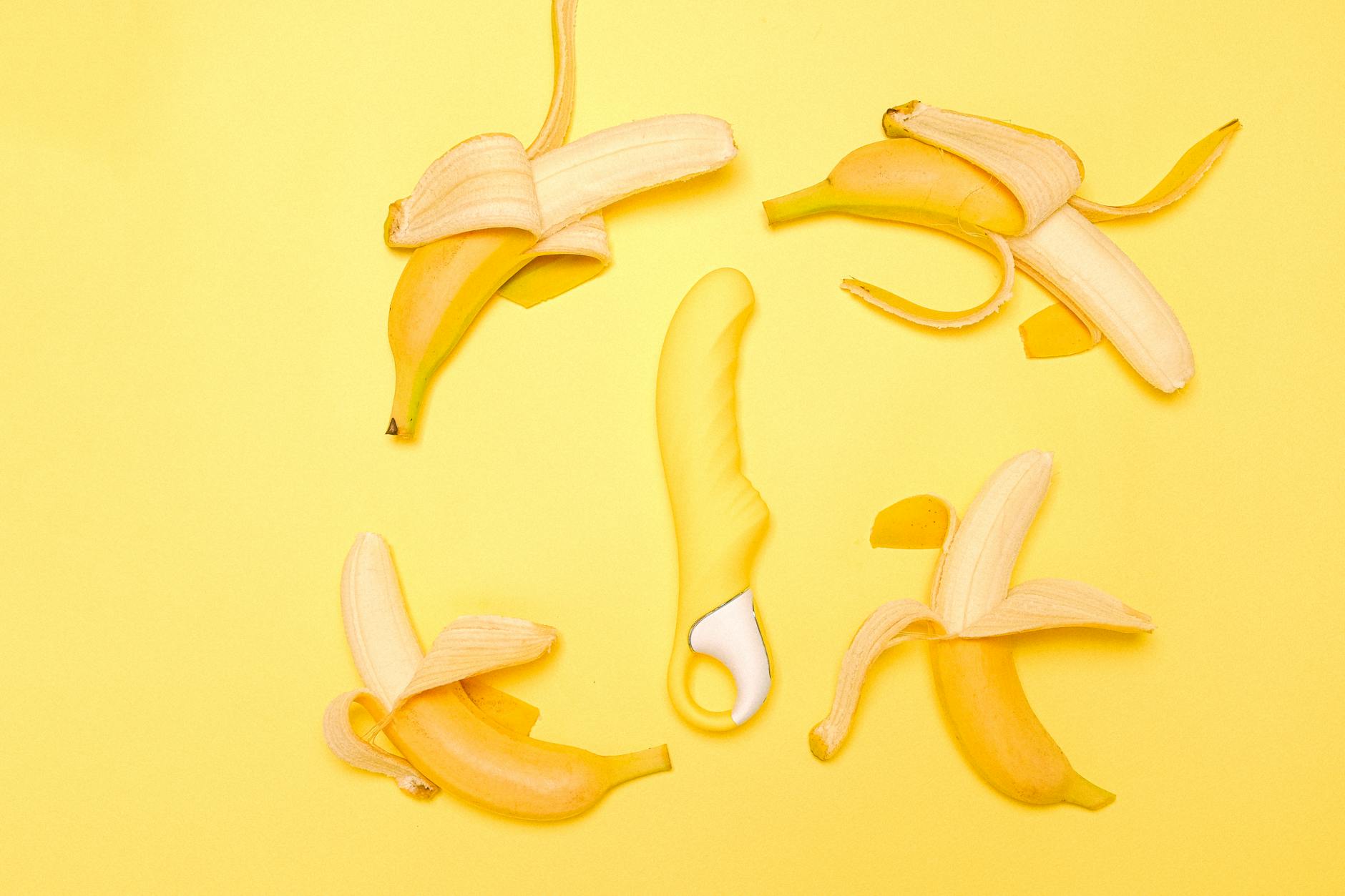
How to Use Lemon Vibrators When Lubrication Changes With Age
Your body's natural lubrication shifts over decades. Here's how to work with it, not against it, plus which lube actually pairs best with your lemon clitoral vibrator.
Your body's natural lubrication isn't a fixed thing. It changes. Not just month to month, but across years and decades. You might have had a slick, generous response at 25. At 35, it's still abundant but maybe shifts timing. By 45 or 50, it's lighter, less predictable, sometimes absent even when arousal is there. This is completely normal. It's also completely fixable.
Here's what I tell clients: lubrication changes don't mean your pleasure is ending. They mean you're entering a phase where external lubricant becomes part of your toolkit, the same way lemon sexual toys become part of your kit. Both are tools. Neither diminishes the real thing.
Estrogen is the main player. As estrogen levels fluctuate through perimenopause and drop after menopause, the vaginal tissue produces less fluid. The tissue itself also becomes slightly thinner and less elastic. But here's the non-obvious part: this doesn't happen suddenly at 50. It's a gradual shift that often starts in the late 30s and 40s, especially if you've had periods of hormonal fluctuation from stress, medication changes, or relationship shifts.
Birth control pills can suppress natural lubrication too. So can some antidepressants, antihistamines, and even dehydration. Breastfeeding and postpartum phases tank lubrication. Autoimmune conditions like Sjögren's syndrome affect it. Smoking, stress, and poor sleep all play a role.
The point: if you're noticing less natural wetness, you're not broken, and you're not alone.
Lubrication affects how your lemon vibrator feels, how long you can comfortably use it, and how intense the sensation is. With abundant natural lubrication, the suction and pulsing patterns feel smooth and fluid. Without it, you might feel more friction, a drier sensation, or even slight discomfort if you go longer than 10-15 minutes.
This isn't a problem with the toy. It's your body sending a signal: add lubrication.
Some people panic and stop using their lem vibrator altogether. Don't. Add lube instead. This is genuinely the only change you need to make.
Water-based lubes are your go-to for any silicone toy, including your lemon clitoral vibrator. They won't degrade the silicone, they rinse off easily, and they feel natural. Look for ones without glycerin if you're prone to yeast infections (glycerin feeds yeast). Brands like Sliquid H2O, Hylo, and Good Clean Love are solid choices.
Silicone-based lubes feel richer and last longer, but here's the catch: they'll actually damage your lemon lem vibrator over time. Silicone lubricant breaks down silicone toys at the molecular level. Yes, really. Skip them.
Oil-based lubes also damage silicone. Same problem. Avoid.
Hybrid lubes (water and silicone blend) sometimes work, but the silicone component can still degrade your toy slowly. Stick with water-based for the longest toy lifespan.
Don't just slick up the toy. Slick up your body too. Apply a small amount of water-based lubricant directly to your vulva, especially your clitoris and the surrounding tissue, about 30 seconds before you begin. Then apply a tiny dab to the lemon vibrator itself. This two-point approach means you're not relying solely on the toy to carry lubrication from your body.
When lubrication is lighter or absent, this small change makes the difference between comfortable pleasure and friction that feels slightly off. You'll notice it immediately.
Reapply every 5-10 minutes during longer sessions. More frequent breaks actually feels good anyway. It gives you rhythm.
This is subtle but real: when natural lubrication decreases, the tissues become slightly more sensitive to friction and pressure. Temperature can dial that up or down dramatically.
A room-temperature lube feels neutral. A lube warmed slightly between your hands (just hold the bottle for 10 seconds) feels more like natural fluids and tends to feel more comfortable to tissue that's already adjusting to changes. Some people even warm their lube gently under warm water for 20 seconds before use. Experiment. Your preference might surprise you.
Cold lubricant feels jarring. Don't use it straight from the fridge.
If lubrication is lower, you might discover that using your lemon vibrator on lower intensity patterns actually feels better than maximum power. This isn't about reduced pleasure. It's about matching intensity to tissue sensitivity. Pattern 1 and 2 on your lem vibrator might actually deliver more satisfying stimulation than patterns 6 and 7 when lubrication is light.
Try this: start at pattern 1, focus on the sensation for 2-3 minutes, then gradually increase. You might find your sweet spot is a pattern you'd previously skipped over. That's not a step backward. That's you learning your body better.
When lubrication is abundant, arousal and physical response can happen pretty quickly. When it's lighter, give yourself more time to become fully aroused before bringing in your lemon clitoral vibrator. Foreplay matters more now. Mental arousal matters more now. Fantasy, buildup, patience. Budget 20-30 minutes instead of 10.
This isn't a drawback if you reframe it: you're giving your brain and body more time to sync up, which often leads to better orgasms anyway.
If lubrication dries up completely and stays that way despite using lube and taking time for warmup, or if you experience pain during sex or with your lemon vibrator even with lubrication, talk to a gynecologist or doctor trained in menopause medicine. Genitourinary syndrome of menopause (GSM) is real and extremely treatable.
Topical estrogen creams (applied directly to the vagina) have minimal systemic absorption and often restore lubrication and tissue thickness within 2-4 weeks. There are also vaginal moisturizers like Hyalo Gyn that you use a few times a week to keep tissue hydrated from the inside.
Sex doesn't hurt. You don't have to white-knuckle through it with extra lube. Professional support makes a difference.
Here's something I see with clients: when lubrication becomes something you apply rather than something your body does automatically, some people feel like they've lost something. That they're less sexy, less responsive, less natural.
Reframe this hard: adding lubricant is exactly like adding lube to a lock that's gotten stiff with age. It doesn't mean the lock is broken. It means you've learned how to keep it working beautifully. Many people find that once they stop resisting this change and start working with it, their pleasure actually deepens. No friction anxiety. No wondering if something's wrong. Just clarity and sensation.
Your lemon sucker and your lubrication approach are a team now. Treat them that way.
Start small: a dime-sized amount on your vulva and a pea-sized amount on the toy. You can always add more. Many people actually use less than they think they need because they're nervous about mess. A little goes a long way with water-based lube, especially with the suction action of a lemon vibrator doing the work.
Not if your toy is silicone. Coconut oil is technically oil-based and will degrade silicone over time. Stick to water-based lubes only for your lemon sexual toys. If you love coconut oil's feel, use it solo or with non-silicone partners, not with your lem vibrator.
Not necessarily. Hormonal changes are one cause, but medications, stress, dehydration, and relationship factors all affect lubrication independently. If you're concerned about hormonal shifts, that's a conversation for your doctor, not something you can diagnose from lubrication changes alone.
No. Your lemon clitoral vibrator works beautifully with added lube. You don't need to swap toys. You just need to adjust your approach: more lube, longer warmup, possibly lower intensity patterns. The toy isn't the variable. Your preparation is.
Completely normal. Stress, sleep, hydration, where you are in your cycle if you still have one, and recent medication changes all affect lubrication. Some weeks you might need minimal extra lube. Other weeks, you'll want more. Your body's signals matter. Listen to them and adjust.
Lubricant is used during sex and applied right before. Vaginal moisturizer is used a few times a week regardless of sexual activity and keeps tissue hydrated long-term. Many people use both: a moisturizer for everyday tissue health and a lubricant for sessions with their lemon vibrator. They work together.
Lubrication changes are one of the clearest signals that your body is evolving. Rather than fight it, you get to work with it. You get to understand yourself better. You get to use tools like water-based lubrication and your lemon clitoral vibrator in smarter ways. This phase often brings better orgasms, deeper sensation, and a clarity about what you actually want. Not because anything went wrong. Because you finally stopped fighting biology and started dancing with it instead.
Your pleasure is still there. It's just asking you to adapt. And that's a conversation worth having.
If you're navigating these changes as part of a relationship shift or want to talk through how to communicate with a partner about lubrication and pleasure as your body changes, reach out to us. We're here to help you build the intimacy conversation you actually want to have.