They work. Your sensation disappears. Pain vanishes. For a few hours, you feel like you've solved a major problem. Then you notice something worse: even without the numbing product, sensation stays muted. You apply it again. Then again. And suddenly you're using it every time because normal touch feels underwhelming. This is desensitization, and it's wildly common.
Numbing lubes contain lidocaine or benzocaine, topical anesthetics that block nerve signals at the surface. They're not evil. They're genuinely useful for people with pain conditions like vulvodynia or vaginismus. But for people without pain, using them regularly trains your nervous system to expect numbness. Your clitoris adapts. Sensation flatlines. Real touch stops registering.
The good news? You can rebuild sensitivity. It takes patience and the right approach, but lemon vibrators are uniquely suited to this work.
Your clitoris has 8,000 nerve endings concentrated in a space smaller than a pea. Those nerves are incredibly responsive, but they also adapt quickly to repeated stimulation. This is called habituation, and it's a survival mechanism. Your body learns to filter out constant signals to focus on what's new or threatening.
Numbing products short-circuit this system by blocking sensation entirely. When you use them regularly, your nervous system doesn't just habituate to sensation. It habituates to the absence of sensation. The receptors desensitize. The nerve pathways quiet down. Even when the anesthetic wears off, your clitoris is primed to expect nothing.
After a few weeks or months of regular use, touching yourself feels like moving through fog. Sex feels muted. Orgasms take longer or don't arrive at all. You're not broken. Your clitoris isn't damaged. Your nervous system is just running on the wrong settings.
Sensitivity isn't permanent. Your nervous system rewires constantly. This is called neuroplasticity, and it's your biggest asset in reversing numbing lube desensitization.
When you stop using numbing products and introduce new, varied stimulation, your nerve endings wake up. They start firing again. The pathways between your clitoris and your brain strengthen. But this only happens if you're introducing stimulation that's different enough to register as new. Generic vibration doesn't cut it. Your system has learned to tune out repetitive input.
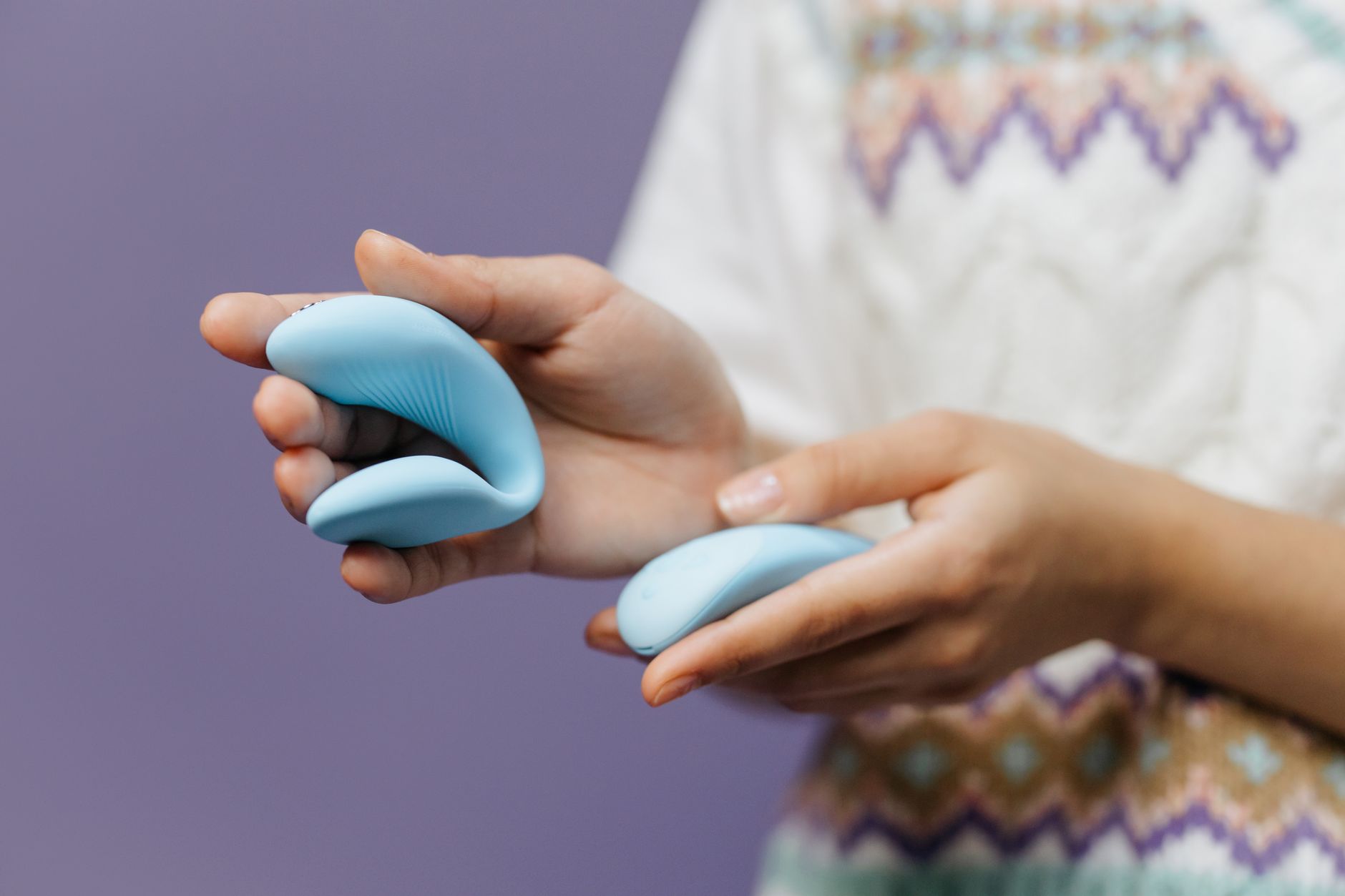
Lemon vibrators work because of their suction and pulsing mechanism. Unlike traditional vibrators that rely on pure oscillation, lemon clitoral vibrators create rhythmic waves of suction and release. This pattern is complex enough that your nervous system can't predict it and tune it out. Each pulse feels distinct.
Here's how I recommend approaching this with a lemon vibrator:
Week one: rest from numbing products. Stop using lidocaine or benzocaine products entirely. Give your clitoris two to three days of complete rest. No touch, no stimulation. This isn't punishment. It's a reset. Your nerve endings need time to stop expecting numbness.
Week two: gentle exploration. Use your lemon vibrator on the lowest setting, but not on your clitoris directly. Place it on the outer labia or the soft tissue around the vulva. You're reintroducing sensation to nearby nerve endings first. Spend five to ten minutes here. Don't aim for orgasm. Just notice what you feel.
Week three: slow approach. Move the lemon vibrator closer to your clitoris, but still on the lowest pattern. Rest it against the hood rather than directly on the glans. The hood has nerve endings that aren't as desensitized. Five to ten minutes again. The goal is gentle reawakening, not intensity.
Week four and beyond: gradual intensification. Only now should you increase patterns or intensity. And do it in micro-increments. One pattern level up, not three. Stay there for three or four sessions before increasing again.
This timeline sounds slow. It is. But pushing faster triggers frustration and makes your nervous system tense up, which kills sensation recovery.
A standard vibrator creates repetitive oscillation. After a few minutes, your nervous system filters it. Lemon vibrators create suction that mimics oral stimulation. The sensation changes constantly because suction builds, peaks, and releases. Your brain can't predict it. Your clitoris stays engaged.
Research on clitoral suction devices shows they activate different nerve pathways than traditional vibration. They create a broader, more diffuse sensation. For someone rebuilding sensitivity after numbing products, this complexity is essential. It prevents habituation from creeping back in.
Don't alternate back to numbing products "just this once." One application resets your progress. Your nervous system immediately expects numbness again.
Don't increase intensity quickly. If you jump from pattern one to pattern four because pattern one feels boring, you've missed the point. Boredom is actually a sign that sensation is returning. Push through it.
Don't use lubricant with desensitizing ingredients. Check labels for lidocaine, benzocaine, or anything claiming "numbing" or "cooling" effects. Stick to plain water-based or silicone-based lubes that just reduce friction without blocking sensation.
Don't skip the waiting period before using a lemon vibrator. Two to three days without any anesthetic gives your system a cleaner reset than jumping straight into recovery work.
If you're doing this work with a partner, communication matters more than usual. Explain that you're in a sensitivity-rebuilding phase and that things will feel different for a while. Progress is rarely linear. Some days sensation returns quickly. Other days it feels like you're back to square one. This isn't failure. It's the nervous system learning to trust sensation again.
Partners sometimes worry that slower exploration or lower-intensity stimulation means less pleasure overall. Frame it differently: you're building a foundation. Sensation is the base. Once it returns, pleasure gets richer, not muted.
Most people report noticeable sensation improvement within three to four weeks of stopping numbing products and using a lemon vibrator regularly. Full recovery, where sensation feels as responsive as it did before numbing product use, typically takes six to eight weeks.
That timeline assumes consistent practice, no lapses back into numbing products, and realistic expectations. If you're expecting pre-numbing-lube sensitivity to return instantly, you'll get discouraged. If you notice subtle improvements week by week, you'll stay motivated.
Keep a simple log. Note which lemon vibrator pattern felt best, how long you used it, and whether sensation felt sharper or muted afterward. Patterns emerge. You'll see progress even on days when it doesn't feel obvious.
If you've been off numbing products for eight weeks and sensation isn't improving, something else might be at play. Depression, anxiety, hormonal shifts, medication side effects, or relationship tension all suppress clitoral sensation. These are separate issues from numbing lube desensitization.
If stalling happens, pause the lemon vibrator work and assess what else has changed. Are you more stressed? Did you start a new medication? Is your relationship tense? Often, addressing those factors unlocks sensation recovery faster than any technique.
If nothing else has changed and sensation still isn't returning, consider seeing a pelvic floor physical therapist or a sex therapist. Desensitization that doesn't respond to rest and varied stimulation sometimes has a neurological component that benefits from professional guidance.
First changes usually appear within one to two weeks of stopping numbing products. You might notice that even light touch registers differently. Full recovery typically takes six to eight weeks. Trust the process and avoid the urge to jump back to numbing lubes when progress feels slow.
You can, but it's less effective. Traditional vibrators create predictable oscillation that your nervous system learns to filter out. Lemon clitoral vibrators use suction patterns that are harder to habituate to, making them better for sensitivity rebuilding. If you only have access to a traditional vibrator, vary the patterns constantly and use it on the lowest settings.
That's a different situation entirely. If you're using numbing lubes because penetration or touch causes pain, stopping them suddenly might make the pain worse. Talk to a pelvic floor physical therapist or gynecologist before you quit. They can help you address the underlying pain while gradually reducing numbing product dependence.
No. Your nervous system is plastic. It rewires continuously. But the longer you use numbing products regularly, the longer recovery takes. Two weeks of consistent use might take four weeks to reverse. Six months of use might take three months to recover from. Stop early to make recovery faster.
Occasionally, maybe. But "occasionally" is tricky to define. Using numbing lubes more than once a month seems to trigger early habituation in most people. If you're tempted to use them, you're likely already noticing desensitization creeping in. That's the sign to stop.
Often it feels better. People report that sensation after recovery is sharper and more varied than it was before numbing product use. This might be because you're now using a lemon vibrator that creates more complex stimulation than whatever you were using before. Your clitoris gets trained on a richer sensation palette.
Numbing products stole your sensation, but your nervous system wants to wake back up. It just needs the right conditions: a break from anesthetics, varied and complex stimulation, and time. Lemon vibrators provide that stimulation because they work differently than traditional toys. They create patterns your clitoris can't tune out.
Start slow. Be consistent. Trust that sensitivity returns. If you're struggling, reach out to our team at /contact. You deserve to feel everything again.