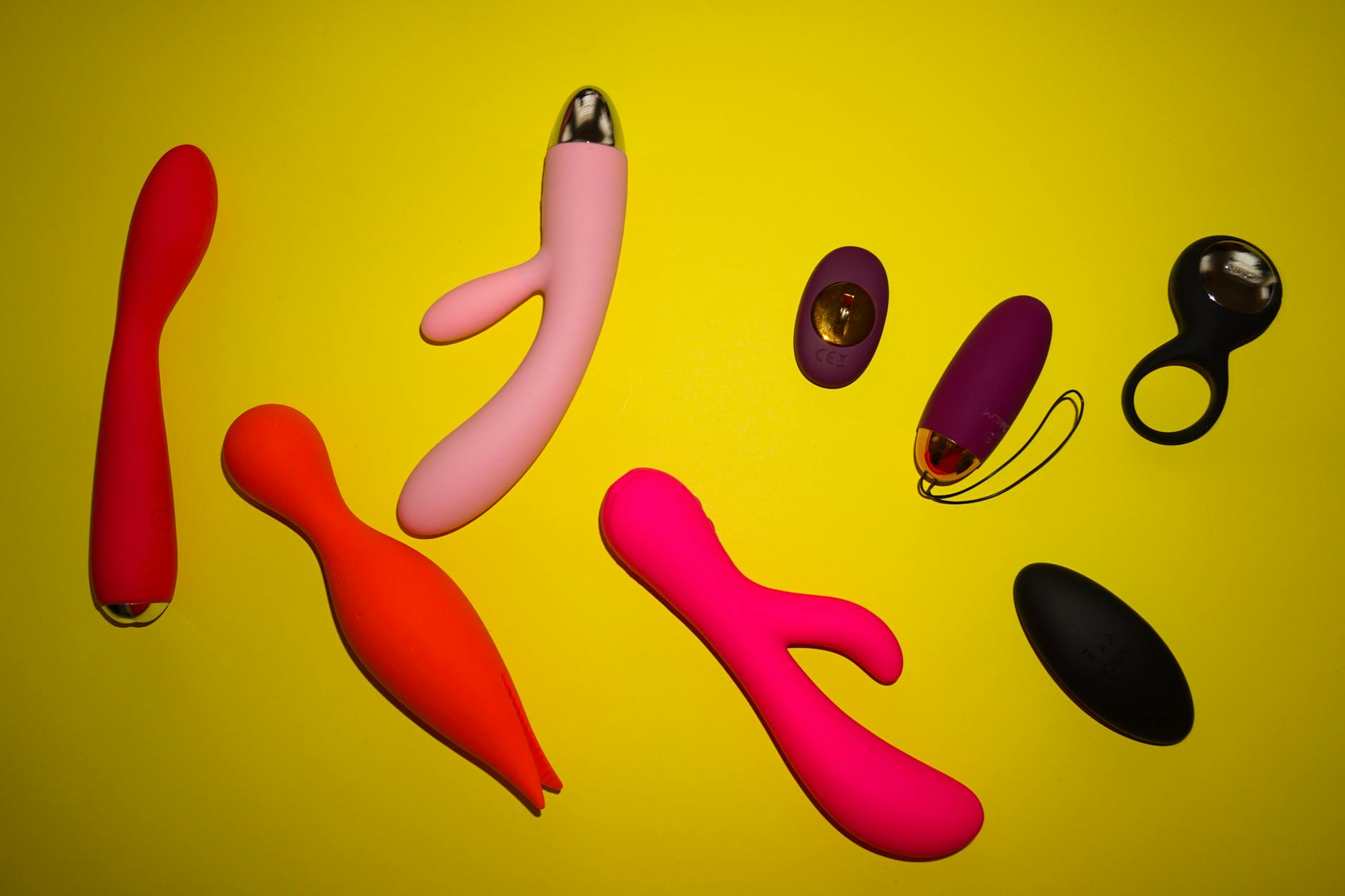
Let's be real about what you're actually worried about
You've been with this person for a few months. The sex is good. Maybe really good. But there's a gap. You know what gets you there alone, and it's not happening with them. The thought crosses your mind: what if I brought a toy? Then immediately: oh god, no, they'd think I'm not attracted to them. They'd think they're not enough. They'd think I'm weird.
Here's the thing nobody tells you. Most people think the same exact thing. And the ones who've actually talked about it? Their sex lives got dramatically better. Not because the toy is magic. Because the conversation unlocked honesty.
Let me walk you through how to actually do this.
The conversation is not the problem you think it is
You're imagining this big dramatic moment where you spring a vibrator on your partner and they feel insulted. That's not the real risk. The real risk is never saying anything, staying frustrated, and slowly resenting someone who has no idea what's happening.
The conversation itself is straightforward. You're not asking for permission. You're sharing information about your body and what helps you feel good. There's a difference.
Start simple: "I've been thinking about how I experience pleasure, and I know what really helps me get there. I want to explore that with you because I want our sex life to feel even better."
That's it. You're not saying "you're not enough." You're saying "here's how I work, and I want to include you in figuring that out."
Most partners actually feel relieved. They've probably sensed the gap. They've been trying to hit a target they couldn't see. A vibrator is the opposite of rejection. It's information.
Why lemon clitoral vibrators work particularly well for this moment
When you're new to someone, there's natural nervous tension. Your body hasn't fully relaxed into theirs. Clitoral vibrators like the Lem work well here because they don't require the same kind of vulnerability that penetration does. You're not exposing the deepest part of you. You're stimulating the part of your body that knows exactly what it needs.
Air-suction technology (like what you get with The Lemon Lem's design) is gentler than direct vibration. It feels less mechanical and more like sustained attention. That matters when you're still learning to be comfortable.
Also practically: a clitoral vibrator doesn't require your partner to do anything differently. They're not replacing anything. They're supporting what's already happening.
How to actually introduce it into sex
Don't make a big production of it. The first time, you could say something like: "I want to try using this. Would you be into that?" If yes, great. If hesitant, ask why. Most hesitation is "will it hurt you" or "am I doing something wrong." Both have simple answers.
Start with it in solo time first, or together but not during sex. Let your partner see that you're comfortable with it, that it's not scary or weird. Let them hold it. Let them see what it does. Demystifying it matters.
When you're ready to use it during sex, you control it. Not them, not yet. You know your body better than they do. You know the pattern you need, the pressure, the timing. Once they see what works for you, they might want to try it. But that's later.
The actual logistics: if you're with a partner who has a penis, a clitoral vibrator works during penetration. You hold it or they can hold it. If you're with a partner who has a vulva, you can absolutely use it on each other. Either way, it's additive, not replacing.
What to expect emotionally (it's not what you think)
A lot of people worry they'll feel self-conscious using a vibrator in front of someone new. The opposite usually happens. When your partner watches you experience intense pleasure, sees your face change, hears your breathing shift, they usually feel one of two things: turned on or deeply satisfied that they're finally getting to see you fully present.
Rarely do they feel inadequate. More often they feel let in.
That said, the first time might feel slightly awkward. That's normal. You're introducing a new element. It's learning a new rhythm together. By the third or fourth time, it becomes part of your repertoire.
If you do feel awkward, name it: "This is new for me too." Honesty melts weird.
The partner who resists (and what that actually means)
Sometimes you bring this up and get pushback. "I don't want toys." "That's artificial." "Why would you need that if we're good together."
That's information, and it's worth taking seriously. Not because they're right. But because it tells you something about how they relate to your pleasure and communication.
A partner who can't hear "here's something that helps my body feel good" isn't comfortable with your autonomy. That's a relationship question, not a toy question. You don't need to convince them. You might need to accept that you're incompatible on something fundamental.
Other times, resistance is just unfamiliarity. They don't understand what you're asking for. You can address that with information: "It's not about replacing you. It's about me knowing my body better. It actually helps me relax and be more present with you." For many partners, that shifts it immediately.
Practical tips for actually enjoying it
Start on a lower setting. You're already potentially nervous. Turn it up gradually once you've relaxed.
Use lube. Even if you don't usually feel like you need it, a little extra reduces friction and makes everything feel smoother.
Take breaks. You don't have to come the first time you use it. Sometimes the point is just getting comfortable with it being there.
Be honest about what feels good and what doesn't. "That pattern feels amazing." "Can you try the other side?" "A little softer please." Your partner probably wants this information.
If orgasm doesn't happen, that's also fine. Pressure to orgasm is what usually stops it from happening. Lemon clitoral vibrators help when the goal is pleasure, not performance.
Why this actually strengthens the relationship
I work with couples on this a lot. What I see consistently is that introducing sex toys into a new relationship accelerates emotional intimacy. When you tell someone "here's how my body works, here's what I need," you're being radically honest. They usually respond by being honest back.
It says: I trust you with this vulnerable thing. I want to share my pleasure with you. I'm not performing for you. I'm actually here, wanting you to see me.
Most partners find that incredibly sexy.
People also ask
Will my partner think I'm only attracted to the toy?
No. Your partner will think you're someone who knows what you need and trusts them enough to ask for it. That's attractive. The toy is a tool, not a rival. Partners who understand that are usually the ones you want to stay with anyway.
Should I use a lemon vibrator the first time we have sex?
Probably not. You're still learning each other's bodies. Once you're comfortable with basic sex, then introduce the vibrator. Give yourself a foundation first. It's not a rush.
What if I orgasm too fast with the vibrator and it feels embarrassing?
You're not embarrassing yourself. You're showing your partner what works. That information is a gift. If anything, most people are relieved that there's a pathway to pleasure that doesn't require 45 minutes of trial and error.
How do I bring it up without making it weird?
You make it weird by not saying anything and then suddenly producing it. You make it normal by talking about it like a normal thing. "I want to try using a clitoral vibrator during sex. I think it would help me relax and feel more. Are you open to that?" Direct is actually less weird than mysterious.
Is using a vibrator with a new partner a red flag for them?
For some people, yes. And that's important information about them. A partner who can't handle your pleasure being a priority? That's the red flag, not the toy. Keep looking.
Can I ask my partner to use the vibrator on me?
Absolutely. Once you're comfortable using it yourself, you can ask them to hold it while you guide them. Or they can experiment and find their own rhythm. Either way, it's collaborative.
The bottom line
You deserve to have orgasms with someone new. You deserve for sex to feel good, not like a performance you're watching yourself in. A clitoral vibrator like the Lem can be the thing that bridges that gap. But only if you're willing to have the conversation first. The toy is just plastic and electronics. The honesty is what changes everything. If you're worried about how to navigate pleasure, communication, or intimacy in your new relationship, reach out for support.