Let's name what actually happens
After a fight, your body doesn't just forgive because the conversation ended. Even when things are "resolved," there's this weird disconnect—your mind says you're okay, but your nervous system is still braced. Touch feels loaded. Pleasure feels impossible. And trying to have sex anyway, just to prove things are fine, tends to make everything worse.
Here's the thing nobody tells you: solo pleasure during conflict recovery isn't selfish or a substitute for partner sex. It's the fastest way to convince your body that safety has returned. When you orgasm, your nervous system literally resets. Cortisol drops, oxytocin rises, and the frozen feeling starts to thaw. That matters way more than pushing yourself to have partnered sex before you're actually ready.
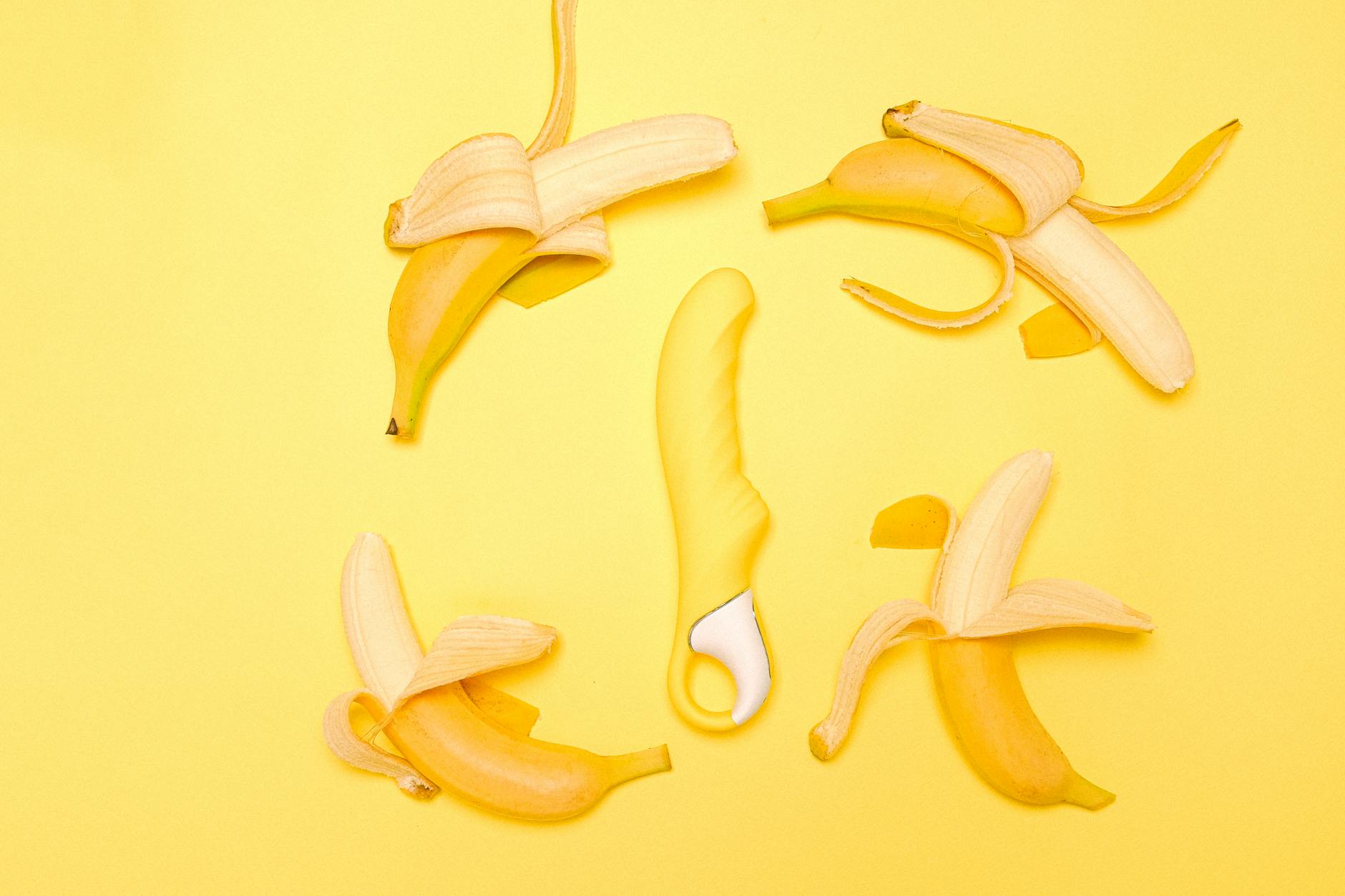
The Lemon Lem and other lemon clitoral vibrators are particularly good for this because they give you reliable, uncomplicated sensation. No performance anxiety. No reading a partner's mood. Just you and a tool that does exactly what it's supposed to.
Why conflict literally blocks pleasure
When you're in conflict with someone you're intimate with, your brain's threat detection system gets hyperactive. You're scanning for danger signals. This is neurologically real—it's not you being dramatic or holding a grudge.
Your vagus nerve (which controls arousal, among other things) goes into a defensive posture. Blood doesn't flow to your genitals the way it normally would. Lubrication decreases. The whole chain reaction of arousal stalls before it even starts. This can last days or weeks after the conflict supposedly ended, because your body doesn't trust that safety has been restored.
The only reliable way to interrupt this pattern is to deliberately trigger the opposite nervous system response. That means solo pleasure, specifically pleasure that feels easy and doesn't involve a partner. When you orgasm, your parasympathetic nervous system (the "rest and digest" one) activates. Your threat detection system quiets down. Tension in your pelvic floor releases. You literally reset.
Then, when you're ready to reconnect with your partner, you're starting from a different baseline.
How to start solo practice after conflict
Wait until the acute hurt has softened a little. You don't need everything resolved—just enough that you're not actively angry. Then set aside 20 minutes when you're alone and won't be interrupted.
Start with something grounding: three deep breaths, maybe a minute of silence. You're not trying to get aroused immediately. You're just letting your nervous system know it's safe to relax.
Then explore touch on your own terms. If you own a Lemon Lem or another lemon clitoral vibrator, start at the lowest intensity. Your sensitivity might be dulled right now, and jumping straight to high intensity can feel jarring. Work your way up.
Pay attention to what feels good without pressure to orgasm. Sometimes after conflict, orgasm takes longer. That's fine. The point is to reconnect with sensation, not to hit a finish line.
The role of a clitoral vibrator in this specific moment
Why a vibrator instead of just your hands? Because conflict depletes mental bandwidth. You don't have the focus to create sensation through manual stimulation right now. A clitoral vibrator (especially air-suction types like the Lem) does the work for you. You can relax into receiving instead of performing, even for yourself.
The suction pattern of lemon vibrators creates a different kind of stimulation than traditional vibration. It pulls gently rather than buzzing, which feels less intense and more targeted for people whose nervous systems are already activated. You're not being overstimulated while you're trying to calm down.
Start with 5-10 minutes of gentle exploration. If it feels good, keep going. If it doesn't, stop. The goal is to reconnect with your body, not to force an outcome.
What happens after you've reconnected solo
Once you've had a few solo sessions where you felt pleasure again, your body starts to remember that sensation is possible. Your cortisol levels drop. You sleep better. The frozen feeling starts to ease.
Then comes the tricky part: reconnecting with your partner. And here's where I need to be honest. Solo pleasure doesn't automatically fix relationship conflict. It creates the nervous system conditions where reconnection becomes possible, but you still need to actually talk about what happened.
If you want partner sex to feel good again, that conversation needs to happen first. Not necessarily a big restorative talk. Just an acknowledgment: "I need us to take this slowly. I'm still processing some things." Give your partner that information. Most people, when they understand, will meet you there.
Then bring your solo practice into the bedroom—but differently. You're not replacing partner sex with vibrator use. You're using the vibrator as part of foreplay. Let your partner watch. Let them use the vibrator on you. Let them see you enjoying yourself, which often makes partner sex feel less pressurized and more connective.
When reconnection feels harder than it should
If after several weeks of solo practice, partnered pleasure still feels blocked or impossible, that's worth checking in with a therapist about. Sometimes conflict triggers bigger stuff. Unresolved resentment. Questions about whether the relationship is actually safe. Those need real work, not just vibrator use.
But most of the time, what's happening is simple: your body needed time to believe it was safe again. Solo pleasure—especially with a tool that makes sensation easy and reliable—is the fastest way to rebuild that belief.
The unexpected benefit nobody mentions
Here's something I've noticed in couples I work with: when both partners have reclaimed solo pleasure after conflict, the dynamic shifts. You're both less desperate to make partner sex "work." You're both more relaxed. And paradoxically, that's when partner sex actually gets better.
Because you're not performing it as proof that the relationship is fine. You're doing it because you actually want to. And that difference is everything.

Photo by cottonbro studio on Pexels
Why lemon vibrators specifically help this process
Lemon clitoral vibrators, particularly suction-based designs, create sensation that feels almost passive. You're not working for it. You're receiving it. After conflict, when you're mentally exhausted, that distinction matters enormously.
The Lem and other lemon-branded clitoral vibrators are also designed to feel intuitive. There's no learning curve. You pick it up, turn it on, and it does what it's supposed to do. That simplicity is huge when your nervous system is already overwhelmed.
For rebuilding intimacy, what you need isn't complexity. You need reliability. You need to know that when you activate the tool, pleasure will follow. That predictability is exactly what helps your body believe that sensation is safe again.
FAQ: Rebuilding intimacy with vibrators after conflict
How long should I wait after a fight before trying solo pleasure?
Wait until you're no longer actively angry. That might be hours or days, depending on the conflict. The key signal is whether your body can relax at all. If you're still braced and tense, your nervous system isn't ready. Give it another day. If you've calmed down enough to eat and sleep, you're probably ready to try.
Will using a vibrator solo make my partner feel replaced?
Only if you don't tell them about it. Transparency is huge here. A simple "I'm trying to reconnect with myself right now, and I'm using solo time to process" usually lands well. Most partners, when they understand it's about rebuilding your own sense of safety, don't feel threatened. They often feel relieved that you're taking care of yourself.
What if orgasm still doesn't happen during solo practice?
Orgasm isn't the goal. Sensation is. If you feel pleasure without climax, that's already a win. Your nervous system is still resetting. Keep practicing for a few days. If orgasm remains completely blocked after a week of regular solo time, that might signal something bigger—unresolved hurt, or a relationship dynamic that isn't actually safe. That's worth talking through with a therapist.
Can I use a vibrator with my partner right after a conflict?
You can, but I'd recommend at least one solo session first. When you bring a vibrator into partner sex too quickly after conflict, it can feel performative—like you're trying to fast-track arousal because you "should" want sex. Solo sessions first reset your nervous system. Then when you introduce the vibrator to partner play, it feels natural rather than desperate.
How many solo sessions before trying partner sex again?
There's no magic number. For some people, two or three sessions over a few days is enough. For others, it takes a week or two. The signal is when you notice pleasure returning without effort, and when you think about your partner without immediately feeling tension. That's when you're ready.
Is it normal for lemon vibrators to feel too intense after conflict?
Completely normal. Your nervous system is hypersensitive right now. Start at the lowest intensity. You might find that lower settings feel better than they ever have. As your system calms, you can experiment with higher intensities. There's no pressure to use full intensity immediately.
The real work happens in conversation
I want to be clear about something. Using a lemon vibrator to reconnect with your own pleasure is genuinely helpful. It resets your nervous system. It reminds your body that sensation is safe. It creates the conditions for intimacy to return.
But it doesn't replace the actual conversation with your partner. It doesn't resolve the conflict. It doesn't rebuild trust. Those things take words, vulnerability, and time. What solo pleasure does is make you feel stable enough to have those conversations from a grounded place instead of a defensive one.
If you're rebuilding after conflict, you need both. Solo practice with a clitoral vibrator to calm your nervous system. And honest conversation to actually fix what broke. One without the other won't work. But together, they're how couples actually move through conflict and come out closer on the other side.
Start with yourself. Reconnect with your own pleasure. Then bring that calm, grounded version of you back to your relationship. That's when real reconnection happens.