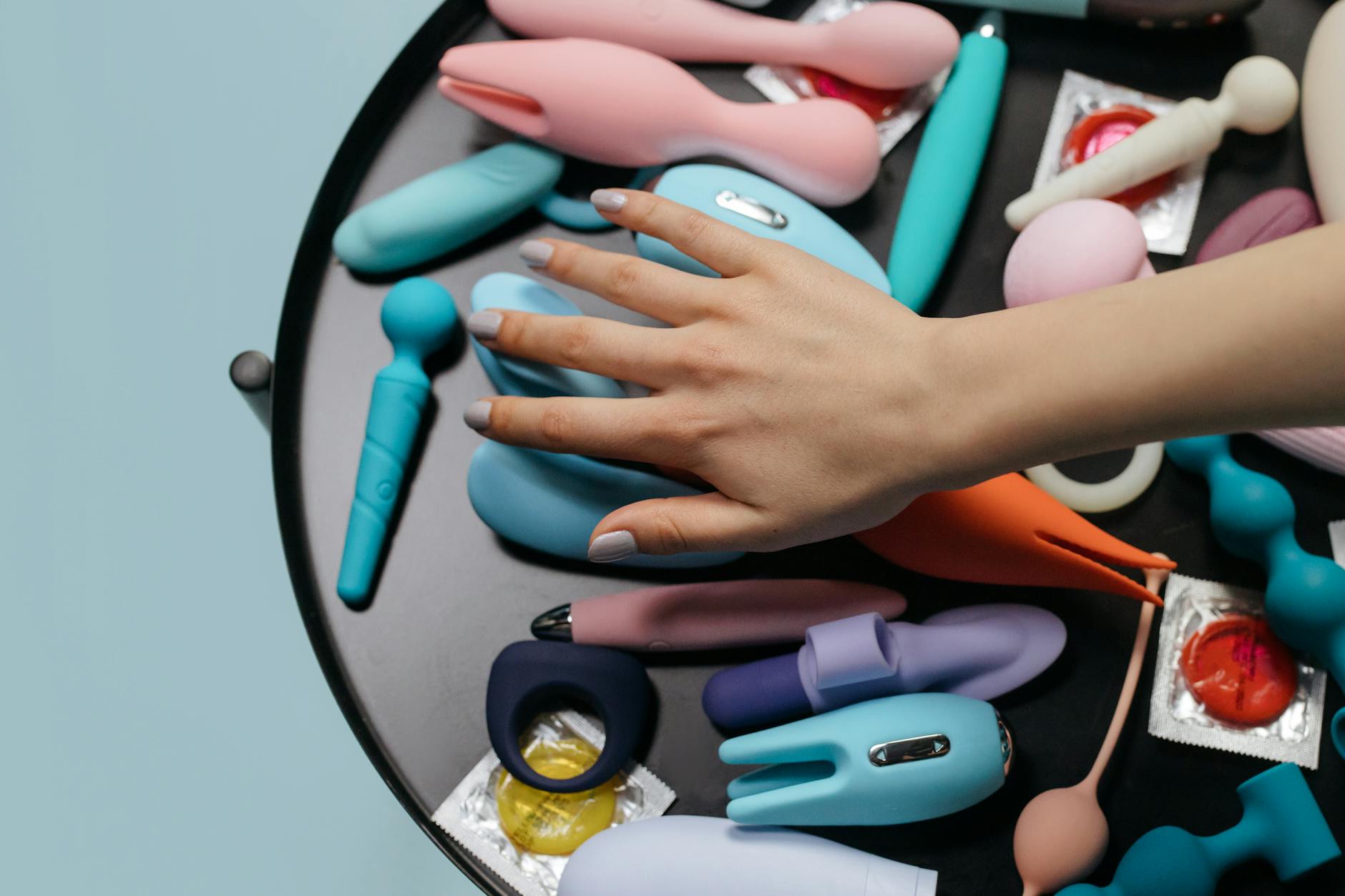
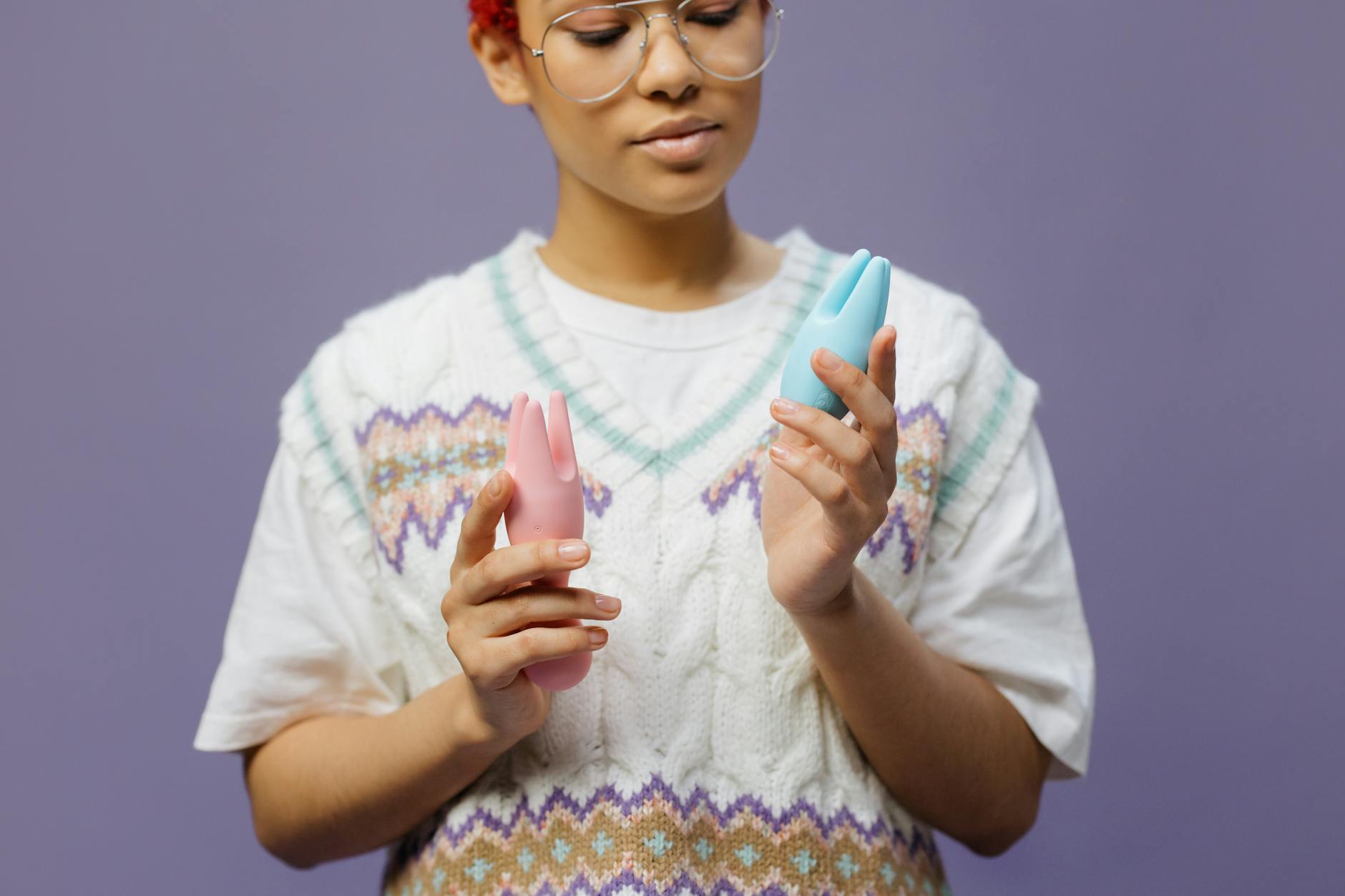
How to Use Lemon Vibrators When You're New to Toys After Years of Penetrative-Only Sex
You've spent decades assuming you know what your body wants. Then a clitoral toy shows up and the game changes completely. Here's what to expect and how to make the transition feel natural.
Here's the thing: if you've spent the last twenty, thirty, or forty years having sex focused almost entirely on penetration, the idea of introducing a clitoral vibrator probably feels like admitting something went wrong. It didn't. What went wrong was the cultural messaging that penetration is the main event and everything else is foreplay.
Clitoral stimulation is not a side dish. It's not a warm-up or a consolation prize. For most people with vulvas, it's the most direct pathway to orgasm, and yet it's shockingly common to reach midlife without ever having explored it seriously. If that's you, a lemon clitoral vibrator isn't an indictment of your partner or your relationship. It's a tool that unlocks something that was always there.
The clitoris has over eight thousand nerve endings concentrated in a space smaller than a pea. Penetration doesn't access most of them. That's not a flaw in penetration—it's just biology. When you introduce a tool like a lemon vibrator or lemon sucker for the first time after years of penetrative sex, your nervous system is encountering a type of stimulation it hasn't learned to process. That's why it can feel weirdly intense, or sometimes numb, or confusing.
You might also notice that orgasms feel different—sometimes sharper, sometimes more diffuse, sometimes centered in a way you haven't experienced before. All of this is normal. Your body isn't broken; it's just discovering a new language.
If the idea of a vibrator feels like too much, start with suction technology. The Lemon Lem uses air-pulse suction rather than direct vibration, which mimics the sensation of oral sex more closely than a traditional vibrator. For people transitioning from penetrative-only sex, suction often feels more familiar because it resembles something partnered sex already included.
Begin on the lowest setting—usually pattern one or two on most lemon suction toys. Spend five to ten minutes just getting used to the sensation with no pressure to orgasm. The goal here is information gathering, not performance. Does it feel too strong? Too gentle? Weirdly pleasant? All valid reactions.
I've worked with many clients who find the hardest part isn't the sensation itself—it's the permission to explore it. After decades of sex structured around your partner's pleasure or arousal, using a toy solo or with a partner can trigger guilt, weirdness, or the feeling that you're doing something wrong.
You're not. Your pleasure matters. Your body deserves attention. And if a lemon vibrator or clitoral suction tool helps you experience sensations you've never had before, that's a gift to yourself, not a referendum on your relationship.
Before you introduce any clitoral toy into partnered sex, spend time alone with it. This isn't selfish; it's strategic. When you're exploring without performance pressure or someone else's timeline, you learn faster.
Set aside thirty to forty minutes in a space where you won't be interrupted. Use water-based lubricant even if you think you don't need it—lube reduces friction and makes the sensation more nuanced. Start at the lowest setting on your lemon vibrator and move it slowly around the external clitoris, not directly on the sensitive tip.
Notice what feels good. Faster patterns or slower? Constant pressure or varied movement? Off to one side or centered? There's no right answer. You're just building a map of your own body, which is something you deserve to know after all these years.
If you have a partner, the conversation matters more than the toy. Here's what I recommend saying: "I'm exploring some new sensations that feel really good. I'd like to try this with you, but I also want to check in about how you'd feel." Most partners are relieved to hear what actually brings pleasure instead of guessing.
Start with the toy during foreplay, not as a replacement for your partner's involvement. You might use a lemon clitoral vibrator while they touch you elsewhere, or while you're together penetratively. This keeps things collaborative instead of making it feel like the toy is replacing them.
Some people worry that introducing a vibrator will make partnered sex feel less satisfying. The opposite is usually true. When you know what you like, partnered sex becomes more communicative and often more connected.
Lemon vibrators and suction toys are potent. If you're used to gentler stimulation, even the lowest setting can feel overwhelming at first. Here are three adjustments that help:
Use more lubricant. Extra lube creates a buffer between the toy and your tissue, softening the sensation. It also helps the toy glide rather than stick, which feels very different.
Try it over clothing. Put your underwear or a thin layer between the toy and your skin. This muffles the sensation and lets your nervous system acclimate gradually. You can remove the layer as it feels more natural.
Focus on the edges. Instead of placing the toy directly on the clitoris, apply it to the surrounding tissue—the inner labia, the area just below the clitoral hood. Sometimes the most intense pleasure comes from indirect stimulation.
At some point, usually within a few solo sessions, you'll discover a pattern, pressure, or position that makes your whole system light up. This is the moment where clitoral toys stop feeling like a weird experiment and start feeling like "oh, that's what I've been missing."
Orgasms from clitoral stimulation can feel completely different from penetrative orgasms. They might be faster to build, more intense, more localized, or rippling through your whole body. Some people experience multiple orgasms more easily. Some discover they need different things on different days. All of this is exactly right.
When you're introducing clitoral toys after years of penetrative-focused sex, your clitoral tissue is waking up in a new way. It might be more sensitive, less sensitive, or unpredictably both depending on your cycle, stress, or what you ate that day.
Water-based lubricant is non-negotiable here. It's not about being "broken" or "dry." It's about creating the ideal conditions for pleasure. Silicone-based lubes feel richer but can damage silicone toys like the Lem. Stick with water-based formulas and reapply frequently. You'll notice a huge difference in how the sensation registers.
If you're exploring clitoral toys after twenty or thirty years with the same partner, the conversation might feel fraught. What if they think you're bored? What if they feel threatened? What if this unravels something?
Here's what I tell couples: this is actually the opposite of unraveling. You're saying "I want to know my body better, and I want to share that with you." That's intimacy. That's curiosity. That's choosing your relationship and your pleasure at the same time.
If your partner is hesitant, you might offer to explore together first, without the toy. Maybe you guide their hand to show them what feels good. Maybe you use the toy solo while they watch or touch you in other ways. The goal isn't to prove the toy is necessary. It's to make space for something that brings you joy.
Some people use a lemon vibrator for the first time and experience nothing. No sensation, no warmth, no building pleasure. This doesn't mean you're broken or incapable of clitoral pleasure. It usually means one of three things:
First, you might be tense. If you've spent decades in a particular sexual pattern, your nervous system is used to that specific pathway. A new stimulation can actually activate your fight-or-flight response instead of arousal. The fix: slow down, breathe, give yourself permission to feel weird about this, and try again another day.
Second, the setting or pressure might be wrong. Go lower. Try indirect stimulation. Apply it for thirty seconds and then back off. Let the anticipation build. Pleasure isn't always linear.
Third, you might need to adjust your expectations. If you're comparing the first time using a lemon clitoral vibrator to years of penetrative orgasms, you're setting yourself up for disappointment. Give yourself at least five or six sessions before you decide whether this works for you.
If you're experiencing pain, numbness that doesn't improve, or complete inability to feel pleasure even after several attempts and adjustments, check in with a gynaecologist. Sometimes medication side effects, hormonal changes, or pelvic floor tension can mute sensation.
If the mental side is the barrier—guilt, shame, or feeling weird about exploring your own pleasure—a therapist or sex educator can help you untangle that. You deserve to know your body at any age, in any relationship stage.
If you're new to clitoral toys after years of penetrative-only sex, using a lemon vibrator or lemon sucker isn't an endpoint. It's an opening. You're learning something about yourself that most people discover much earlier, which means you're playing catch-up. But catch-up sex—sex where you're actually present, actually exploring, actually prioritizing your own pleasure—is often the best sex.
Your body isn't too old, too set in its ways, or too late. It's just now getting its turn.
No, and they don't need to. Most people enjoy both types of stimulation, and many find they want different things on different days. A lemon vibrator is an addition to your pleasure repertoire, not a replacement. Some sessions might include both; others might be clitoral-focused. The point is choice.
It varies widely. Some people feel comfortable in their first session; others need five or six attempts before the sensation stops feeling foreign. Give yourself at least two weeks of regular exploration before you decide whether it's for you. Your nervous system needs time to learn a new language.
Completely normal. In fact, most people don't orgasm the first time they try a new toy. You're learning what feels good, your body is adjusting to novel stimulation, and there's often performance pressure baked in. Focus on sensation and comfort first; orgasms usually follow.
This is worth addressing directly and kindly. You might explain that the toy isn't replacing them—it's giving you access to sensations their hands or body alone can't create. Some partners feel less threatened once they understand that clitoral pleasure and partnered pleasure aren't in competition. If the hesitation persists, it might be worth exploring with a couples therapist.
Yes. Start on the lowest setting, use plenty of lubricant, and consider trying it over clothing first to mute the sensation. Lemon vibrators and lemon suction toys can be adjusted to meet you where you are. There's no toy that's too intense if you start slow.
Consistency matters more than frequency. Two or three solo sessions per week for a few weeks will help your body acclimate faster than occasional use. After that, use it as often as feels good—there's no rule.
If you're ready to explore clitoral pleasure after years of penetrative-focused sex, you're not starting over. You're starting. And that's exactly where you should be. If you have questions about what might work best for your body, <a href="/contact">reach out—we're here to help</a>.
For more on getting comfortable with toys in a relationship, read about <a href="/blog/how-to-use-lemon-vibrators-with-a-partner-when-youre-nervous-about-toys">using lemon vibrators with a partner when you're nervous about toys</a>, or explore <a href="/blog/how-to-use-lemon-vibrators-when-exploring-solo-pleasure-after-heartbreak">solo pleasure exploration after major life changes</a>.